Signs You Need to Change Your Transmission Fluid
In brief
Change your transmission fluid on the schedule in your owner's manual, and sooner if you notice delayed or harsh shifts, slipping, shuddering, a burnt smell, dark brown or black fluid, or red spots under the car. Transmissions don't burn fluid, so a low level means a leak. Catching fluid problems early is far cheaper than repairing a transmission.
The most common signs you need to change your transmission fluid are delayed or harsh shifts, slipping, a shudder at low speed, a burnt smell, and fluid that looks dark brown or black instead of red. Red spots under the car mean a leak, and since transmissions don't use up fluid, a low level always has a cause. Any of these is worth having checked soon, because fluid problems are much cheaper to fix than the transmission damage they lead to.
What transmission fluid does
In an automatic transmission, the fluid does three jobs at once. It lubricates the gears and bearings, it carries heat away, and it's the hydraulic fluid that applies the clutches inside the transmission so it can shift. When the fluid breaks down or runs low, all three jobs suffer at the same time.
Heat is what wears transmission fluid out. Over time it loses its friction properties and its ability to protect, and it picks up tiny bits of clutch material and metal from normal wear. That's why the fluid has a service interval even though it never gets "used up" the way fuel does.
Manual transmissions use their own fluid (often a gear oil or a manual transmission fluid) on a different schedule. This post is mostly about automatics and CVTs, which is what most cars on the road have.
Signs you need to change your transmission fluid
Delayed engagement
You shift into Drive or Reverse and there's a pause before the car takes up and moves. A second or so of delay that's getting longer is a classic sign of low or worn fluid, because the transmission is waiting for enough pressure to apply the clutches.
Slipping
The engine revs up but the car doesn't speed up to match, or it feels like it briefly drops out of gear. Worn fluid can't hold the clutches the way it should. Slipping also wears those clutches quickly, so don't put this one off.
Harsh, late or erratic shifts
Shifts that bang into gear, hang on too long before upshifting, or happen at odd times can come from old fluid, low fluid or the wrong fluid. Modern transmissions are computer-controlled and tuned for one specific fluid, so they notice when it isn't right.
Shuddering at low speed
A vibration that feels like driving over rumble strips, usually at a steady, moderate speed with light throttle, often comes from the torque converter clutch. Worn fluid is a common cause, and a fluid service is often the first step a technician will try.
A burnt smell
Healthy transmission fluid has a mild, slightly sweet smell. A sharp burnt smell means the fluid has been overheating. Changing it is part of the fix, but it's also worth finding out why it got that hot.
Dark or dirty fluid
Most automatic transmission fluid is red or pink when it's new. As it ages it darkens toward brown. Dark brown or black fluid, fluid with a milky look, or fluid with grit or metal flakes in it is past due, and the last two need a technician to look at the transmission itself.
Red spots under the car
Transmission fluid leaks usually show up as red or reddish-brown spots under the middle or front of the vehicle. Because the transmission is a sealed system, any drop in the fluid level comes from a leak. Running low causes the same slipping and overheating that old fluid does, only faster.
Warning lights or noise
Some vehicles have a transmission temperature or transmission warning light, and many will set the check engine light for shift problems. A whine or hum that changes with speed can also point to low fluid.
Safety first: If the transmission is slipping badly, won't go into gear, or a transmission warning light comes on, keep the trip short and get it looked at. Driving on a slipping transmission can turn a fluid service into a rebuild, or leave you stranded.
How to check your transmission fluid
Many older vehicles have a transmission dipstick, usually with a red or yellow handle. The procedure varies by vehicle: most are checked with the engine running and warmed up, on level ground, with the shifter in Park, but some makers say Neutral. Your owner's manual has the exact steps. Look at the level against the marks, the color, and the smell.
A lot of newer vehicles don't have a transmission dipstick at all. Their fluid is checked at a fill plug on the transmission, with the vehicle level and the fluid at a specific temperature, which usually means a lift and a scan tool. If you can't find a dipstick, yours is probably one of these, and it's a job for a shop.
Pro tip: If you do top it off yourself, use only the exact fluid your manual names. Many automatics and almost all CVTs need a specific fluid, and the wrong one can cause harsh shifts, shudder or slipping.
How often to change transmission fluid
There isn't one number that fits every car. Manufacturer recommendations range from around 30,000 miles to 100,000 miles or more, and some call the fluid "lifetime" under normal driving while listing a shorter interval for severe service. Check your owner's manual or maintenance guide for your vehicle.
Severe service usually includes towing, heavy loads, lots of stop-and-go traffic, and driving in high heat. Summer traffic on the Gulf Coast checks more than one of those boxes, so it's worth reading which schedule applies to you. "Lifetime" fluid still breaks down with heat; it just means the manufacturer doesn't schedule a change under normal use.
If a high-mileage transmission has never had its fluid serviced, have a technician look at the fluid and how the transmission is shifting before servicing it, so you know where it stands first.
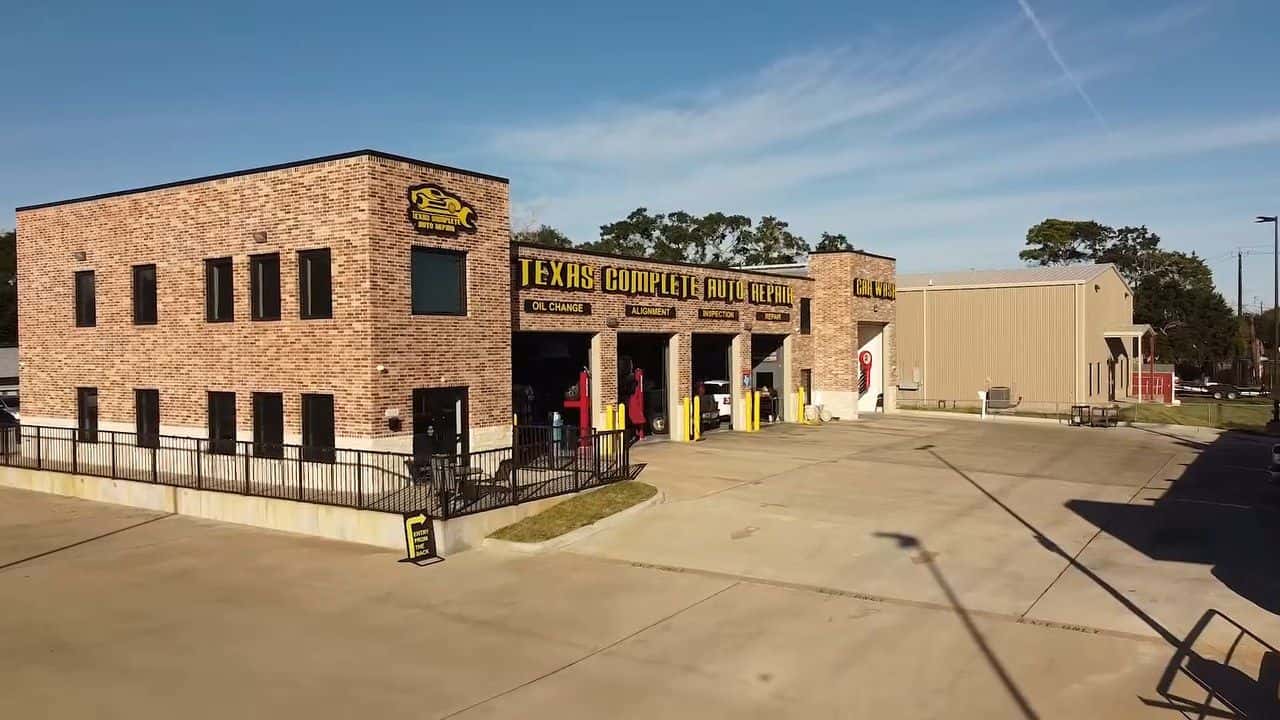
Transmission service at Texas Complete in Kemah
Our ASE-certified technicians work on gas and diesel vehicles, foreign and domestic. If your transmission is showing any of these signs, we'll check the fluid level and condition and tell you what we find. Most repairs come with a 36 month / 36,000 mile nationwide warranty through TechNet, and every oil change or repair comes with a free tunnel car wash.
Learn more on our transmission service page, schedule a visit online, or call us at (281) 549-4391. We're at 916 FM 518 East in Kemah.
Frequently Asked Questions
How often should you change transmission fluid?
It depends on the vehicle, so follow your owner's manual. Recommendations range from around 30,000 miles to 100,000 miles or more, and some manufacturers call the fluid lifetime under normal driving while listing a shorter interval for severe service. Towing, heavy loads, stop-and-go traffic and high heat all count as severe service.
What color should transmission fluid be?
Most automatic transmission fluid is red or pink when new. It darkens toward brown as it ages. Dark brown or black fluid, or fluid that smells burnt, is due for service. Milky fluid or fluid with metal flakes in it means the transmission itself should be inspected.
Can low transmission fluid cause shifting problems?
Yes. The transmission uses fluid pressure to shift, so a low level can cause delayed engagement, slipping, harsh shifts and overheating. Transmissions don't use up fluid, so a low level means there is a leak that should be found and fixed, not just topped off.
Do you have to change transmission fluid if it's lifetime fluid?
Lifetime fluid still wears out with heat and use. Some manufacturers don't schedule a change under normal driving but do list one for severe service, which covers a lot of everyday driving in hot climates. If you plan to keep the vehicle a long time, it's worth changing it on the severe-service schedule.
How much does it cost to change transmission fluid?
It depends on the type of transmission, how much fluid it holds and the fluid it requires. CVTs and many newer automatics use specific fluids that cost more than older general-purpose fluids. Call the shop with your year, make and model to get a price for your vehicle.